


1.Kecheng Liu, Professor, Director of Digital Talent Academy, Henley Business School, University of Reading, UK
2.Jian Chen, Professor, Lenovo Chair Professor at Department of Management Science and Engineering, Tsinghua University
3.Xuewei Li, Professor, Vice Chairman of Transportation Branch of China System Engineering Society
4.Jinan Fiaidhi, Chair of SIG on Big and Thick Data Analytics with IEEE CompSoc TC eHealth, Department of Computer Science, Lakehead University, Ontario, CANADA
5.Muhammet Deveci, Full Professor at the Department of Industrial Engineering in the Turkish Naval Academy, National Defence University, Istanbul, Turkey
6.Martin Dresner, Professor, Logistics, Business and Public Policy Department, University of Maryland’s R.H. Smith School of Business, USA
7.Yannis A. Phillis, Professor, School of Production Engineering and Management, Technical University of Crete, Greece
UPDATING……

Speaker:Kecheng Liu
Email: k.liu@henley.ac.uk
Speaker’s Biography:
Kecheng Liu, a Fellow of the British Computer Society and Senior Fellow of the UK Higher Education Academy, is a Professor of Applied Informatics at the University of Reading and the Director of the Digital Talent Academy at Henley Business School. His research has been widely published, with a remarkable output of over 300 journal and conference papers and 25 books covering topics such as organisational semiotics, business informatics, IT and business strategies and alignment, and intelligent spaces for work and living. Recognised as a global thought leader in organisational semiotics and business informatics, he has played a key role in the International Forum of Organisational Semiotics, serving as its convenor, and has also chaired the International Conference for Informatics and Organisational Semiotics for over two decades. His academic influence extends to supervising and mentoring over 60 PhD students, many of whom have gone on to make substantial contributions in academia and industry worldwide.
Beyond his research and teaching, Professor Liu has held senior leadership and management roles across research projects, academic centres, schools, and universities in both the UK and China, fostering international collaboration and knowledge exchange. His current research interests lie at the intersection of digital transformation and AI, focusing on organisational semiotics, business ecosystems, digital leadership, AI and digital competences in talent development, and AI-driven solutions for responsible and sustainable organisations.
Keynote topic: Human-AI Collaboration – semiotics and norms for personalised and trustworthy AI
Abstract:
AI has become a key driver of productivity and competitiveness for individuals and businesses, offering significant strengths and benefits. However, current AI systems often operate on the assumption that common values and moral principles are universally shared, making AI-generated responses universally applicable. In a business context—particularly in disputes involving multiple stakeholders—this assumption presents challenges. Different parties may pose the same question to AI, each expecting a response that aligns with their own interests and perspectives. This raises critical concerns: Can AI generate answers that are not only legally sound and ethically acceptable but also contextualised and personalised to individual needs? More importantly, how can AI maintain fairness, transparency, and ethical integrity while adapting to diverse perspectives?
This seminar will explore the evolving relationship between humans and AI, particularly in the context of Generative AI (GenAI) and its users. A norm-based framework, grounded in organisational semiotics, will be introduced to address the limitations of existing AI systems. This framework provides guiding principles and mechanisms for automated conflict resolution, particularly in scenarios where legal, ethical, and moral considerations create ambiguity among multiple stakeholders. To illustrate the benefits of a collaborative, norm-based approach, the seminar will present a case study on full self-driving (FSD) vehicles, demonstrating how AI and human users can work together effectively to ensure personalized yet trustworthy decision-making.


Speaker:Jian Chen
Email: chenj@sem.tsinghua.edu.cn
Speaker’s Biography:
Professor Chen has authored and coauthored 6 books and over 200 articles in high quality journals such as Management Science, Manufacturing and Service Operations Management, Production and Operations Management, Management Information Systems Quarterly, Journal of Operations Management, IEEE Transactions, Systems Engineering-Theory & Practice, Journal of Management Science in China. His citations in Google Scholar are more than 14000 with an h-index of 59. He has been a principal investigator for over 50 grants of National Natural Science Foundation of China, Ministry of Education, Ministry of Science and Technology, governmental organizations and companies. A number of his research reports have been adopted by the People's Bank of China, IBM and other government departments and enterprises. He has also been invited to present several Keynote/Plenary lectures at International Conferences. His Ph.D. students have accepted faculty positions in leading academic institutes.
Keynote topic: The Implications of Incentives and Convenience of Reusable Packaging
Abstract:
Growing environmental awareness is prompting consumers to consider reusable alternatives to disposable packaging, driving firms in the restaurant industry to explore reusable packaging models. In addition to encouraging consumers to use their personal reusable packaging, some firms now offer firm-owned reusable packaging as an alternative reuse option. However, the inconvenience associated with reusable packaging remains a critical barrier to widespread adoption. This paper examines how price incentives and convenience enhancements influence the profitability of reusable packaging models and their impact on consumer reuse adoption.Using a game-theoretical model, analyze the firm is optimal price incentive strategy when consumers choose among different packaging types (disposable, personal reusable, or firm-owned reusable). further examine how enhancing the convenience of reusable packaging impacts firm profitability and consumer reuse adoption. Our key findings are as follows.
First, when a firm introduces its reusable packaging, it may increase (resp. decrease) the price dis count for personal reusable packaging if the cost of disposable packaging is low (resp. high), implying a complementary (resp. substitution) effect beten the two strategies. When the substitution ef fect is significant, it could reduce reusable adoption. Second, while enhancing the convenience of using consumers’personal reusable packaging generally benefits profit, improving the convenience of using firm-owned reusable packaging—even if costless for the firm to implement—may negatively affect the firm’s profit. Finally, when a firm decides to offer reusable packaging, enhancing the convenience of either firm-owned or personal reusable packaging may paradoxically reduce reuse adoption, particularly when the cost of firm-owned reusable packaging is high for the firm.
Provide operational insights into how profit-driven firms can encourage the use of both firm-owned and personal reusable packaging in the restaurant industry,facilitating the transition to reusable packaging models.
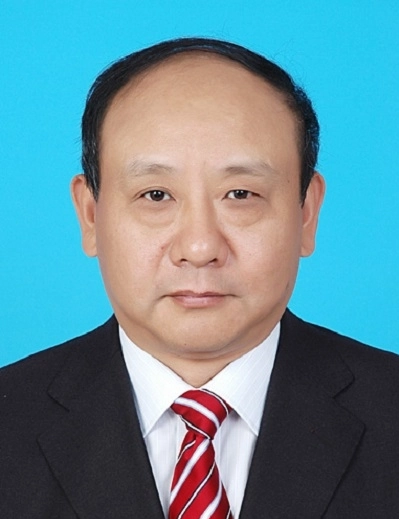
Speaker: Xuewei Li
Email: xwli@bjtu.edu.cn
Speaker’s Biography:
Xuewei Li, Vice Chairman of Transportation Branch of China System Engineering Society, Professor of Beijing Jiaotong University, President of China Russia Jiaotong University Presidents Union (Chinese side), and President of Eurasian Association of Transportation Universities. In recent years, he led his team to make important achievements in key technologies of Big data, high-speed rail safety, intelligent transportation and other fields, and won the second prize of the 10th Wu Wenjun Artificial Intelligence Science and Technology Progress Award. He has presided over more than 10 national and provincial and ministerial research Science Institute, and published more than 10 books. Besides, he has published over 60 papers in important journals and conferences, such as the Journal of Forecasting, Chinese Science Bullitin, Electronic Science, Chinese Soft Science, Quantitative and Technological Economics, Control and Decision Making.
Keynote topic: A method for generating linkage memory model based on big data global linkage space
Abstract:
In recent years, artificial intelligence and its application technologies have developed rapidly, with well-known domestic and foreign products such as Chat GPT and DeepSeek achieving fruitful results and being widely used. This is due to the successful application of large models built on the foundation of big data science, information technology, networks, algorithms, computing power, and other technologies. At present, scientists have successfully applied a series of physical statistical models formed by nature to the generative learning methods of AI. In the linkage analysis of big data, we have also applied a series of existing tool algorithms or particle swarm optimization algorithms based on the data characteristics of the linkage space. Based on the concept of big data global linkage space, this article analyzes the differences and connections between the physical world global linkage space (GLS) and the human consciousness world global thinking space (GTS), and designs a model method for perception, recognition, learning, linkage memory, generative learning, and output selection that can be used by physical world robots and preliminary conscious embodied robots with humans. In order to develop algorithms that can be practically applied, we defined a set of embodied machine data descriptions with human (preliminary) consciousness and personality characteristics, explored special algorithms for practical computing applications, and pointed out the future direction of embodied robot technology with human consciousness and thinking. Among them, the model method of linked memory has achieved preliminary application results in the experiments of advanced risk prevention and emergency response in the transportation field.

Speaker: Jinan Fiaidhi
Email: jfiaidhi@lakeheadu.ca
Speaker’s Biography:
Dr. Jinan Fiaidhi has been a full Professor of Computer Science at Lakehead University, Ontario, Canada since late 2001. She was the grad coordinator for the Lakehead University Computer Science MSc program for the period (2009-2018) and the Graduate Coordinator of the PhD program in Biotechnology (2018-2022). She is also an Adjunct Research Professor with the University of Western Ontario. She received her graduate degrees in Computer Science from Essex University (PgD 1983) and Brunel University (PhD, 1986). During the period (1986-2001), Dr. Fiaidhi served at many academic positions (e.g. University of Technology (Asso. Prof and Chairperson), Philadelphia University (Asso. Prof), Applied Science University (Professor), Sultan Qaboos University (Asso. Prof.). Dr. Fiaidhi research is focused on Thick Data Analytics and Collaborative Learning utilizing the emerging technologies (e.g. Conversational AI, Deep Learning, Cloud Computing, Calm Computing, Mobile Learning, Learning Analytics, Social Networking, Crowdsourcing, OpenData, Extreme Automation and Semantic Web). Dr. Fiaidhi current research is supported by the major research granting associations in Canada (e.g. NSERC, MITACS). Dr. Fiaidhi is a Professional Software Engineer of Ontario (PEng), Senior Member of IEEE, member of the British Computer Society (MBCS) and member of the Canadian Information Society (CIPS) holding the designation of ISP. Dr.Fiaidhi is the chair of the IEEE Special Interest Research Group on Big and Thick Data for eHealth with IEEE ComSoc eHealth TC. Dr. Fiaidhi is the founder and the Emeriti Editor in Chief of the International Journal of Extreme Automation and Connectivity in Healthcare (IJEACH).
Keynote topic: The Role of Thick Data Analytics in Predictive and Precision Medicine
Abstract:
Analyzing clinical data differs from other machine learning data analysis as most of the clinical data are relatively small requiring more qualitative techniques to bring focus to the context and then to predict important indicators like the patient risk in developing heart disease. The strength of qualitative analytics lies in data thickness as they can work on small samples and corpuses (“small data”). However, working with thick data analytics requires involving patient characteristics (e.g. socioeconomic status, family background, working conditions, social support, psycho-social characteristics, lifestyle risk factors, age group, gender and social capital) and their weights in a particular clinical practice. Therefore, the role of patient characteristics is not only a dominant factor in thick data analytics but it is also linked to predicting the prognosis of patient cases. This talk will cover variety of Thick Data Analytics techniques that can be used for analyzing clinical data with small training samples including Siamese Neural Networks, Clinical Heuristics, Data Augmentation among other techniques.
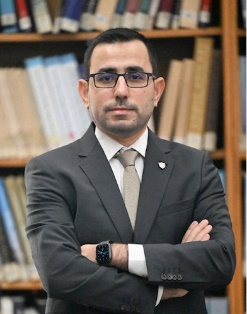
Speaker: Muhammet Deveci
Email: m.deveci@ucl.ac.uk
Speaker’s Biography:
Dr. Muhammet Deveci is a Full Professor at the Department of Industrial Engineering in the Turkish Naval Academy, National Defence University, Istanbul, Turkey, and he is Honorary Senior Research Fellow with the Bartlett School of Sustainable Construction, University College London, UK. Dr. Deveci is also a Visiting Professor at Royal School of Mines in the Imperial College London, London, UK. He worked as a Visiting Researcher and Postdoctoral Researcher, in 2014-2015 and 2018–2019, respectively, with the School of Computer Science, University of Nottingham, Nottingham, U.K. Dr Deveci is an outstanding researcher and a prolific author who has been publishing high quality peer-reviewed papers in highly ISI ranked journals and reputable international conferences. Dr. Deveci has published over 340 papers in journals indexed by SCI/SCI-E papers at reputable venues, as well as more than 30 contributions in International Conferences related to his areas. Dr. Deveci received the 100th-anniversary award for his worldwide scientific achievements from the Scientific and Technological Research Council of Turkey (TUBITAK).
Dr Deveci has also been engaged with the wider community providing academic service through chairing/organising conferences, streams, tutorials, reviewing papers, and acting as Editorial Board Member of well-known journals including IEEE Transactions on Fuzzy Sets (IEEE TFS), IEEE Transactions on Intelligent Vehicles (T-IV), IEEE Transactions on Emerging Topics in Computational Intelligence, Information Sciences, Applied Soft Computing, Engineering Applications of Artificial Intelligence, Artificial Intelligence Review, and more. Additionally, he has strong international links with colleagues carrying out research in the field of his expertise. And he has worked as a guest editor for many international journals such as IEEE Transactions on Fuzzy Systems (TFS), Applied Soft Computing, Annals of Operations Research, Sustainable Energy Technologies and Assessments, Journal of Petroleum Science and Engineering, and International of Journal of Hydrogen Energy (IJHE).
Dr Deveci is an internationally recognized outstanding scientist in intelligent decision support systems underpinned by computational intelligence, particularly uncertainty handling, fuzzy systems, combinatorial optimization, and multicriteria decision making. His research and development activities are multidisciplinary and lie at the interface of Operational Research, Computer Science and Artificial Intelligence Science. Based on the 2020, 2021, 2022 and 2023 publications from Scopus and Stanford University, he is within the world's top 2% scientists in the field of Artificial Intelligence. He has been tackling challenging real-world problems without stripping off their complexities, which include climate change, renewable energy, sustainable transport, and urban mobility.
Keynote topic:Fuzzy Sets on Artificial Intelligence
Abstract:
Fuzzy sets, one of the Artificial Intelligence (AI) tools, are widely used in industrial applications such as control systems engineering, image processing, power engineering, industrial automation, robotics, consumer electronics, language processing and optimization. It is extensively used in modern control systems such as in air conditioners, automobile and vehicle subsystems as automatic transmissions, ABS and cruise control, cameras, elevators, language filters on message boards and chat rooms for filtering out offensive text, animation-based films, pattern recognition in remote sensing, video game artificial intelligence, dishwashers, and washing machine. These are some of the common applications of the Fuzzy Logic. Artificial intelligence theory and applications are based on fuzzy set theory such as fuzzy machine learning, fuzzy deep learning, fuzzy data mining, fuzzy big data analysis, and swarm intelligence. Metaheuristics such as ant colony optimization, artificial bee colony optimization, particle swarm optimization, tabu search, genetic algorithms, and simulated annealing is other modeling techniques based on AI. This talk will discuss the relationship between fuzzy sets and AI and their applications.

Speaker: Martin Dresner
Email: mdresner@rhsmith.umd.edu
Speaker’s Biography:
Martin Dresner has served on the faculty of the University of Maryland’s R.H. Smith School of Business since 1988 where he is Dean’s Professor of Supply Chain Management. He has two areas of research, transport policy and supply chain management. Professionally, Dresner is Chair of the Air Transport Research Society (ATRS) and is on the Scientific and Steering Committees of the World Conference of Transport Research Society (WCTRS). He serves Co-Editor of the Journal of the Air Transport Research Society, as Senior Editor for the Journal of Business Logistics, and sits on several other editorial boards.
Keynote topic: Scanning While Shopping: Assessing the Impact of Mobile Consumer Scanning Technology on Retail Performance
Abstract:
Mobile Consumer Scanning Technology (MCST) is an application employed by retailers to reduce checkout times, save labor costs, and improve customer service. When employing this application, shoppers use mobile devices, such as cellphones, to scan products as they are picked from shelves and placed into shopping carts. Store-level traffic data and market-level sales data are used to examine the impact of MCST on key performance metrics of a major U.S. retailer, including in-store customer dwell time, average transaction size, and number of customer visits. Our findings reveal that MCST leads to a reduction in in-store customer dwell time, thus providing time savings for shoppers. Moreover, the technology results in increased customer visits, highlighting the attraction of the technology. However, MCST also leads to a decrease in spend per shopping visit (transaction size), as the technology allows customers to track their spending as they shop. Our findings advance the literature on the application of consumer-centric retail technologies, highlighting both theoretical and managerial implications from the implementation of MCST.
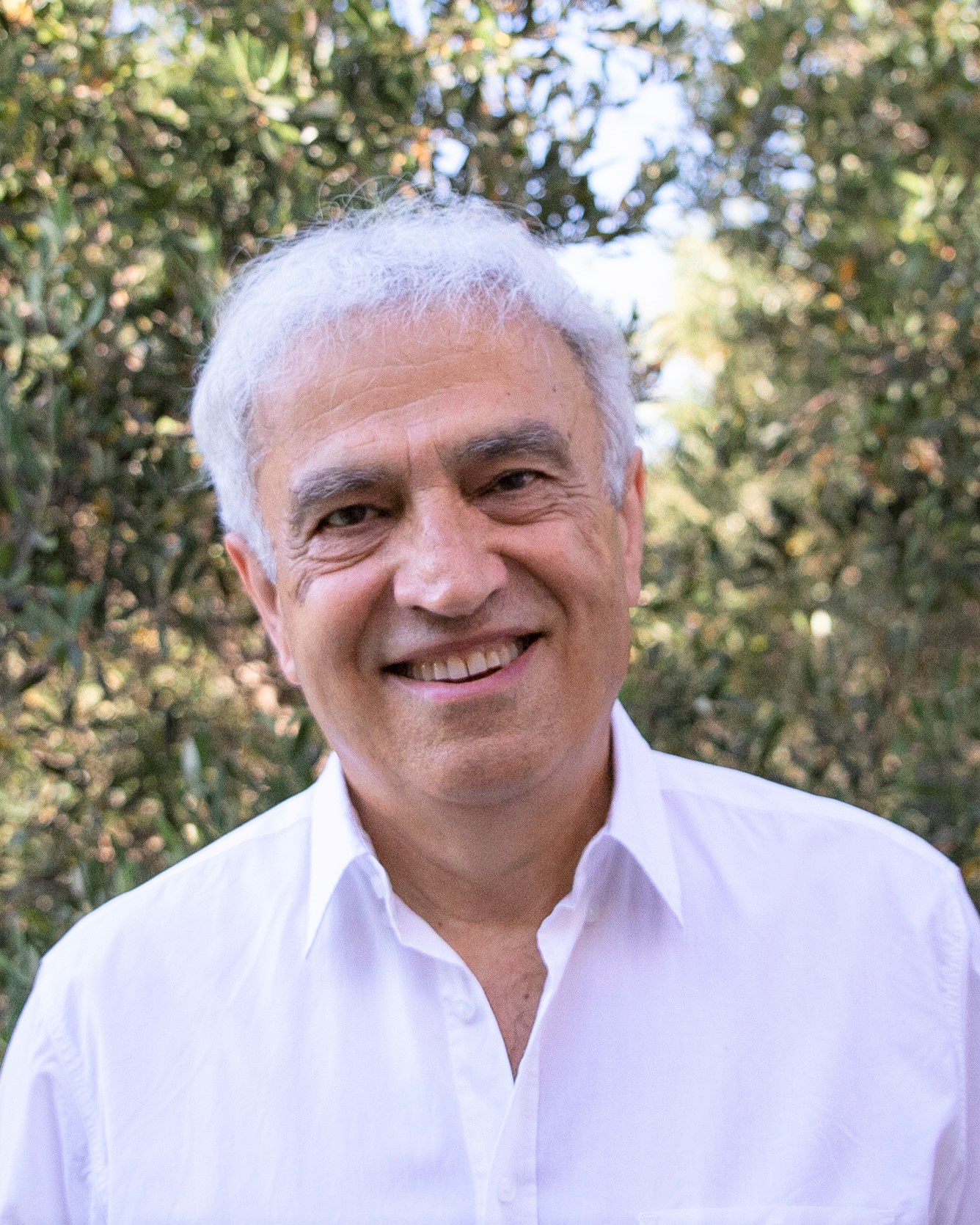
Speaker: Yannis A. Phillis
Email: phillis@dpem.tuc.gr
Speaker’s Biography:
Yannis A. Phillis received his diploma in electrical and mechanical engineering from the National Technical University of Athens, Greece, in 1973 and his Ph.D. from the University of California, Los Angeles(UCLA), in control systems in 1980. He has held academic positions at UCLA, Boston University, Escuela Superior Politecnica de Chimborazo in Ecuador, and the Technical University of Crete, Greece, where he is professor emeritus and was rector for more than 12 years. In 2008 he was Onassis Foundation Senior Visiting Fellow in the US.
He is recipient of numerous awards from Boston University, the Academy of Athens, and the Municipalities of Chania and Assini, Greece, for his service to society, science, and letters; recipient of a “Lifetime Achievement Award,” at the World Automation Congress, Kobe, Japan, 2010; “Alumni Achievement Award in Academia” from UCLA, 2013; World Automation Congress “Medal of Honor,” Cancún, Mexico, 2024. He is an award winning poet and novelist in Greece and the US. He is a member of the Greek PEN Club, and Poets and Writers, USA; Fellow of: The American Association for the Advancement of Science (AAAS), the European Academy of Sciences (EurASc), the Asia-Pacific Artificial Intelligence Association (AAIA), the Artificial Intelligence Industry Alliance (AIIA); member of the European Academy of Sciences and Arts (EASA).
Keynote topic:On an aggregation theory for indicators expressing behaviors of complex systems with an application to sustainability
Abstract:
Certain attributes of large-scale complex systems are often expressed through sets of indicators. For example, the flexibility of a manufacturing system, the susceptibility of a society to climate change or the sustainability of an entity, be it a nation, a city, an energy system, a corporation etc., can be effectively represented by indicators and corresponding data series. For such representations to be practical, aggregation methods should be devised that lead to concrete performance measures hierarchically as well as decision making techniques to improve performance.
In this talk such a mathematical aggregation theory will be presented based on certain intuitively appealing postulates. These postulates lay the mathematical foundations of a general theory which leads to a simple model based on shifted geometric means combining basic indicators into an overall index. Shifted geometric means have a number of desirable properties and generalize the commonly used, rather simplistic weighted arithmetic and weighted geometric means. The model is augmented with a sensitivity analysis which pinpoints those indicators with the highest potential of improving performance, thus, providing decision-makers with an important tool to aid policies. An application is shown in detail regarding the sustainability of 161 countries and data up to 2024. Rankings and sensitivity analyses occasionally reveal surprising results such as unexpectedly low rankings of highly developed countries which demonstrate that sometimes development has no robust foundations.


- Deadline for submission of special session proposals: March 31, 2025 June 10, 2025
- Deadline for submission of regular and special session papers/abstracts: March 31, 2025 June 10, 2025
- Acceptance/rejection notification: April 30, 2025 June 25, 2025
- Registrations, and final camera-ready papers: May 31, 2025 July 10, 2025




 For more conference information,
please scan the Wechat code