


Budapest, the capital of Hungary, is a vibrant and culturally rich city celebrated for its historic landmarks, elegant architecture, famous thermal baths, world-class museums, and dynamic urban life. Divided by the majestic Danube River into the hilly Buda side and the flat Pest side, the city presents a striking contrast between old-world charm and modern energy. Thanks to an efficient network of trams, buses, and metro lines, the city center is easily accessible from the university campus—making exploration both convenient and highly recommended.
For first-time visitors, Budapest’s iconic sights are often high on the itinerary. Many of the city’s most renowned landmarks lie along the Danube, including the House of Parliament, Buda Castle, Fisherman’s Bastion, and the historic Chain Bridge. These attractions are perfect for walking tours and offer stunning panoramic views of the city.
Other must-see destinations such as Heroes’ Square, St. Stephen’s Basilica, and the Citadel atop Gellért Hill are open year-round and typically do not require advance reservations. Beyond its architectural splendor, Budapest delights visitors with experiences like scenic Danube river cruises, lively ruin bars, and traditional Hungarian cuisine—ensuring that every visit is both immersive and unforgettable.
Touring Budapest’s Iconic Attractions
★ The House of Parliament
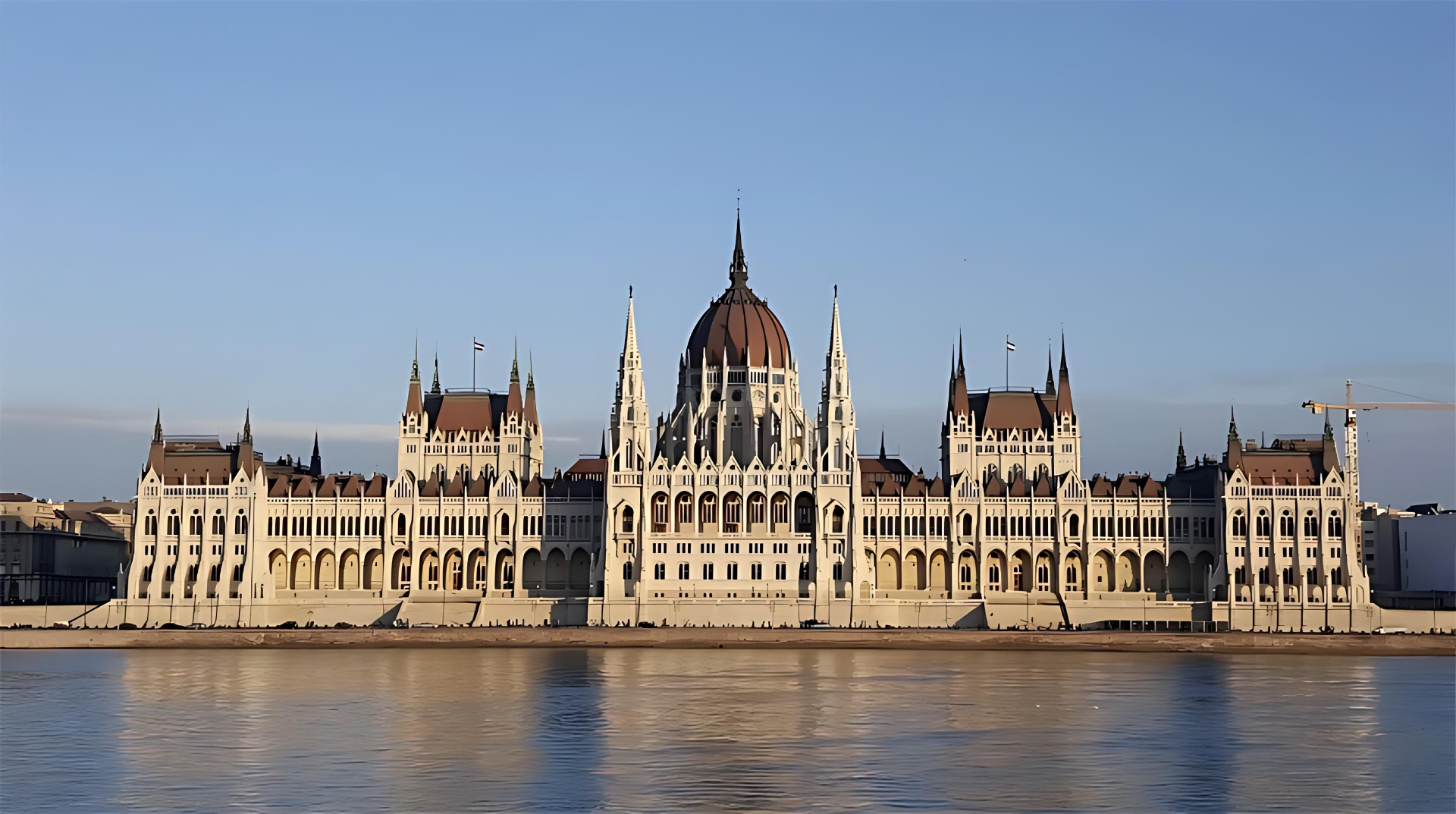
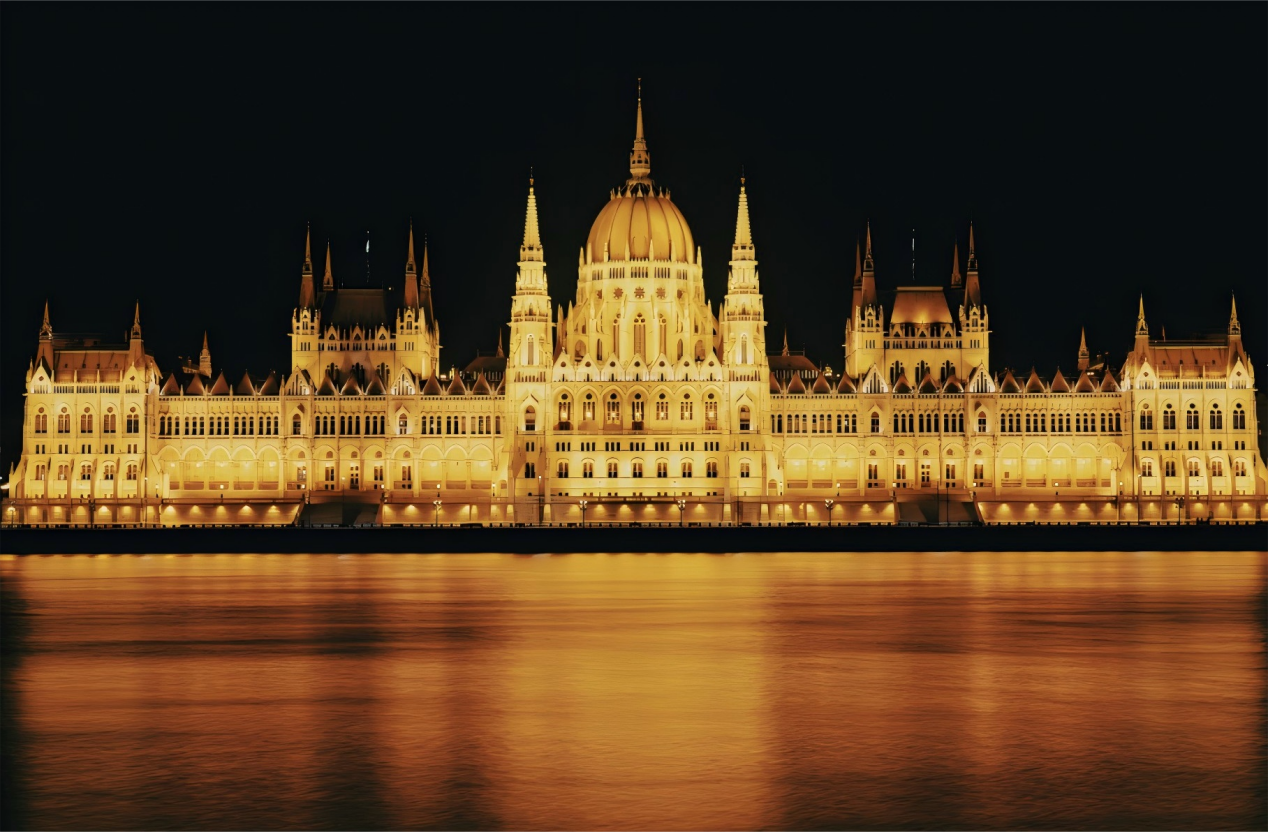
The House of Parliament is one of the most iconic landmarks in Budapest and serves as the seat of the National Assembly of Hungary. Completed in 1904, the building was designed by architect Imre Steindl in a Neo-Gothic style with influences from Renaissance and Baroque architecture. It features 691 rooms, a 96-meter-high central dome, and is situated directly on the banks of the Danube River. The building is particularly striking at night when it is beautifully illuminated.
Guided tours are available daily and offered in several languages, including English, German, Spanish, and French. Highlights of the interior tour include the Grand Staircase, the Dome Hall, the Chamber of the National Assembly, and the Hungarian Crown Jewels. Due to high demand, advance online booking is strongly recommended. Visitors must go through security screening before entry.
Best Exterior Views: From across the Danube (especially at Fisherman’s Bastion or Gellért Hill)
Night View: Highly recommended; the building’s reflection on the Danube is spectacular
River Cruise: Offers excellent photo opportunities from the water
★Buda Castle
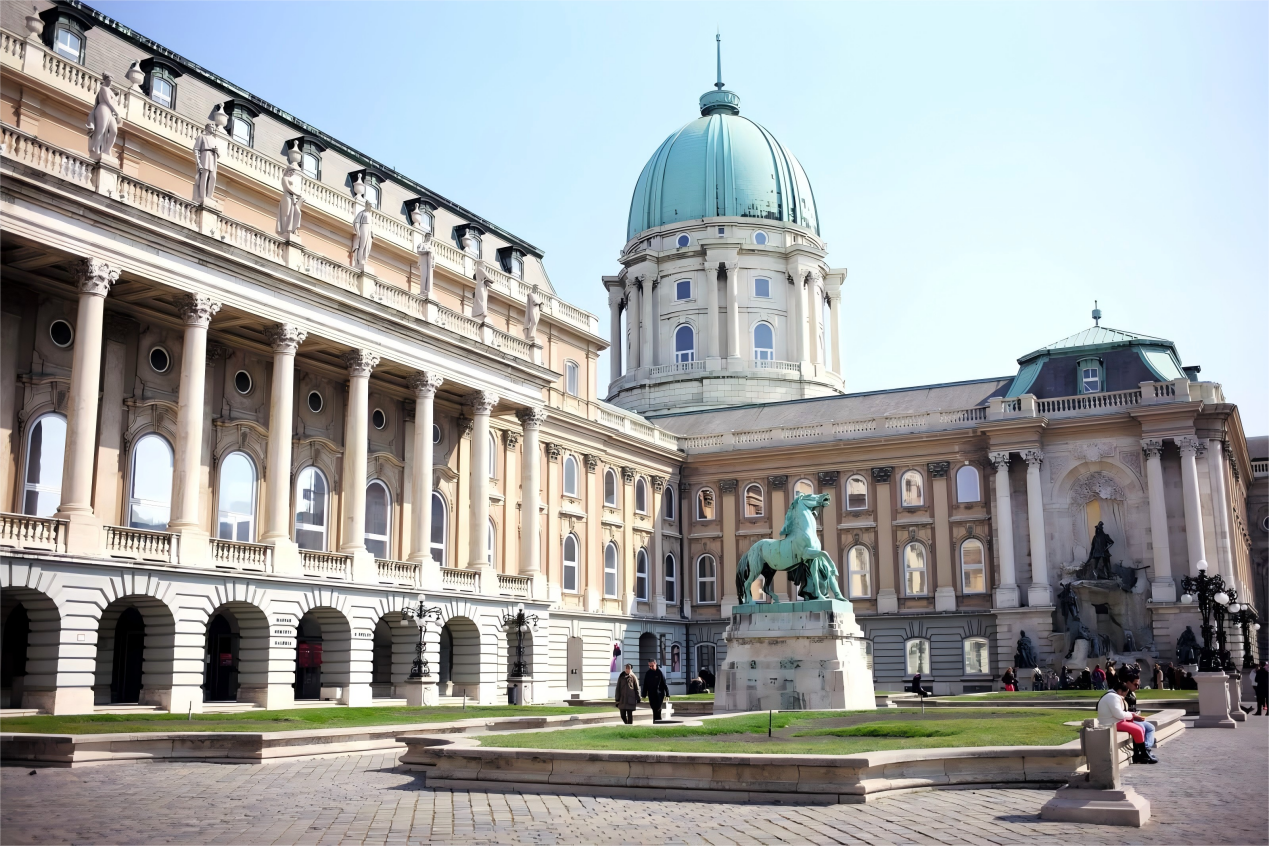
Buda Castle, located on the western bank of the Danube River in Budapest, is one of Hungary’s most iconic historical landmarks. Originally built in the 13th century as the royal residence of Hungarian kings, it has been rebuilt multiple times under the rule of the Ottomans and the Habsburgs, showcasing a mix of Gothic, Renaissance, and Baroque architectural styles.
Today, Buda Castle serves as a major cultural center, home to the Hungarian National Gallery, the Budapest History Museum, and the Széchényi National Library, which feature extensive collections of art, historical artifacts, and rare manuscripts.
From the top of Castle Hill, visitors can enjoy sweeping views of the city, including landmarks like the Chain Bridge, St. Stephen’s Basilica, and the Hungarian Parliament Building. In the evening, the castle is beautifully illuminated, making it one of the most romantic spots in Budapest.
Castle grounds are open 24/7 and free to visit.
Hungarian National Gallery: Tuesday to Sunday, 10:00 AM–6:00 PM (Closed on Mondays)
Budapest History Museum: Tuesday to Sunday, 10:00 AM–6:00 PM (Hours may vary in winter)
Recommended visiting time: 2–3 hours for the grounds; half a day if visiting the museums.
★ Fisherman’s Bastion
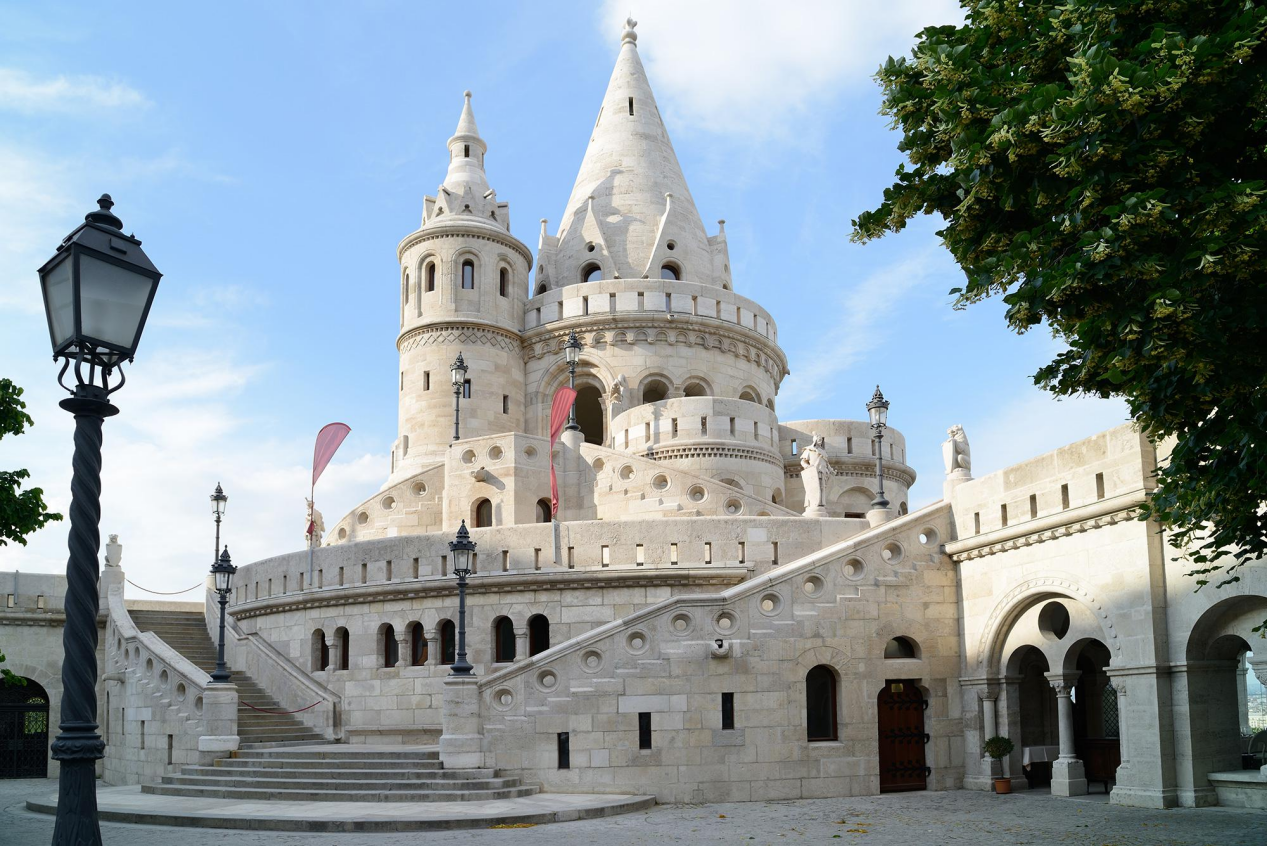
Located on the Buda side of the Danube River, the Fisherman’s Bastion (Halászbástya) is one of Budapest’s most enchanting and photogenic landmarks. Built between 1895 and 1902, the neo-Romanesque terrace was designed to celebrate the 1,000th birthday of the Hungarian state.
The structure features seven ornate towers, each symbolizing one of the seven Magyar tribes that settled in the Carpathian Basin in 895. With sweeping panoramic views over the Danube, the Hungarian Parliament Building, and Pest’s cityscape, it’s a favorite spot for visitors seeking the perfect photo backdrop.
Contrary to its name, the Bastion was never a military fortress. Its name pays tribute to the fishermen’s guild that defended this stretch of the city walls during the Middle Ages. Today, visitors can freely explore most of the lower terraces, while entry to the upper towers requires a small fee during peak hours (typically spring through early autumn).
Best time to visit: Early morning or sunset for ideal lighting and fewer crowds.
Admission: Free for the lower level; upper towers charge a small entrance fee (usually waived in winter).
Accessibility: Partial — some areas are reachable via stairs only.
★ St. Stephen’s Basilica
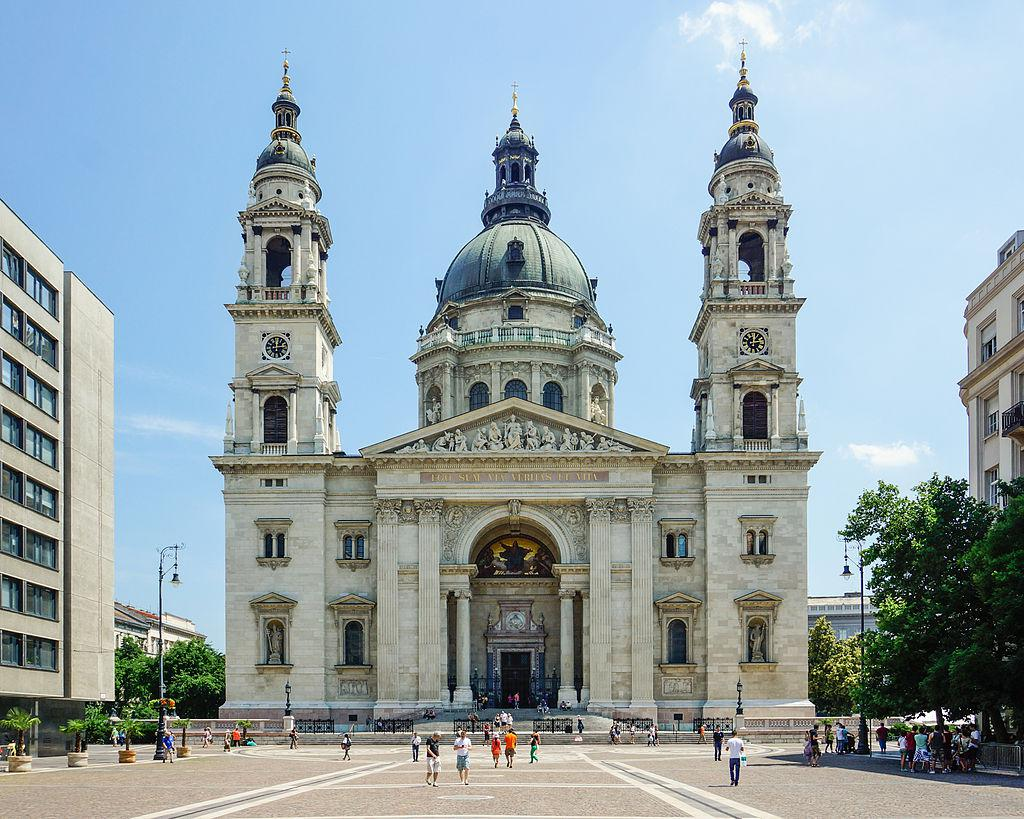
Towering above central Pest, St. Stephen’s Basilica (Szent István-bazilika) is Hungary’s largest church and a masterpiece of neoclassical architecture. Completed in 1905 after more than five decades of construction, the basilica was named in honor of King Stephen I, Hungary’s first monarch and a revered saint.
The church’s grand façade is adorned with Corinthian columns and twin bell towers, one of which houses Hungary’s largest bell. Inside, visitors can admire the intricate mosaics, marble chapels, and the reliquary containing the Holy Right — King Stephen’s mummified right hand, considered a national relic.
The panoramic lookout in the dome offers breathtaking 360-degree views of Budapest — from the winding Danube to the Buda Hills and beyond. An elevator and stairs lead to the dome platform, making the climb manageable for most visitors.
Opening hours: Typically Monday–Saturday 9:00 a.m.–5:00 p.m.; shorter hours on Sundays due to services.
Admission: Entry to the main church is free (donations encouraged); dome access requires a ticket.
Visitor tip: Check the concert schedule — the basilica hosts regular classical music performances in its stunning acoustic space.
★ Hungarian Grand Prix —— Aug. 1 – Aug. 3
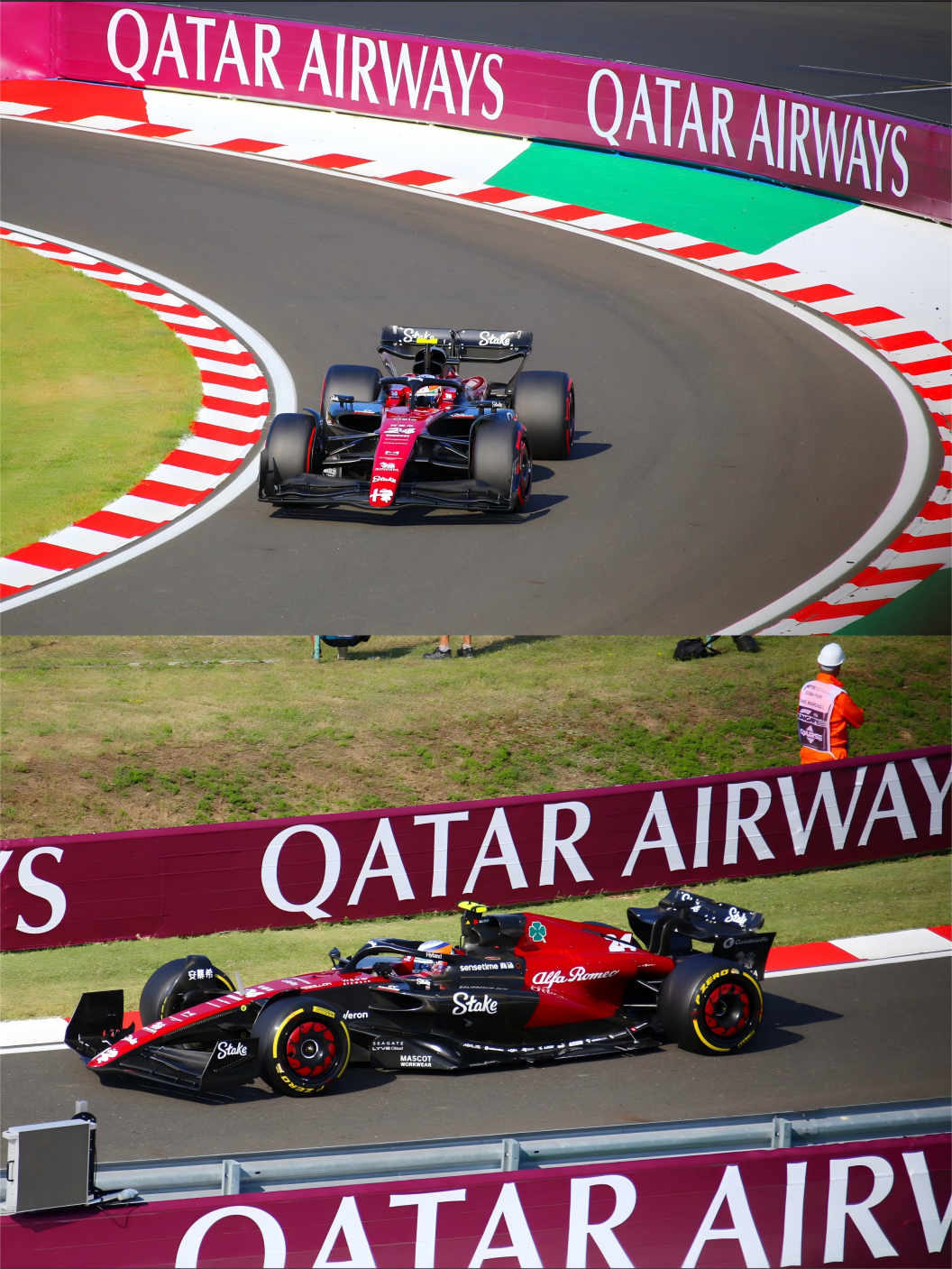
The Hungarian Grand Prix returns to the legendary Hungaroring for its 40th running, scheduled from August 1 to 3, 2025. Expect the world’s elite Formula 1 drivers to battle it out on this high-speed, high-adrenaline circuit just outside Budapest. While the full driver lineup and teams are yet to be confirmed, fans can anticipate a thrilling weekend of unpredictable racing, intense strategy, and championship-caliber performance on track. Don’t miss this centerpiece event of summer motorsport—where every corner counts and legends are made.
Attachment:Hungarian Grand Prix 2025 – Official Visitors Guide
★ Sziget Festival in Budapest—— Aug. 6 – Aug. 11
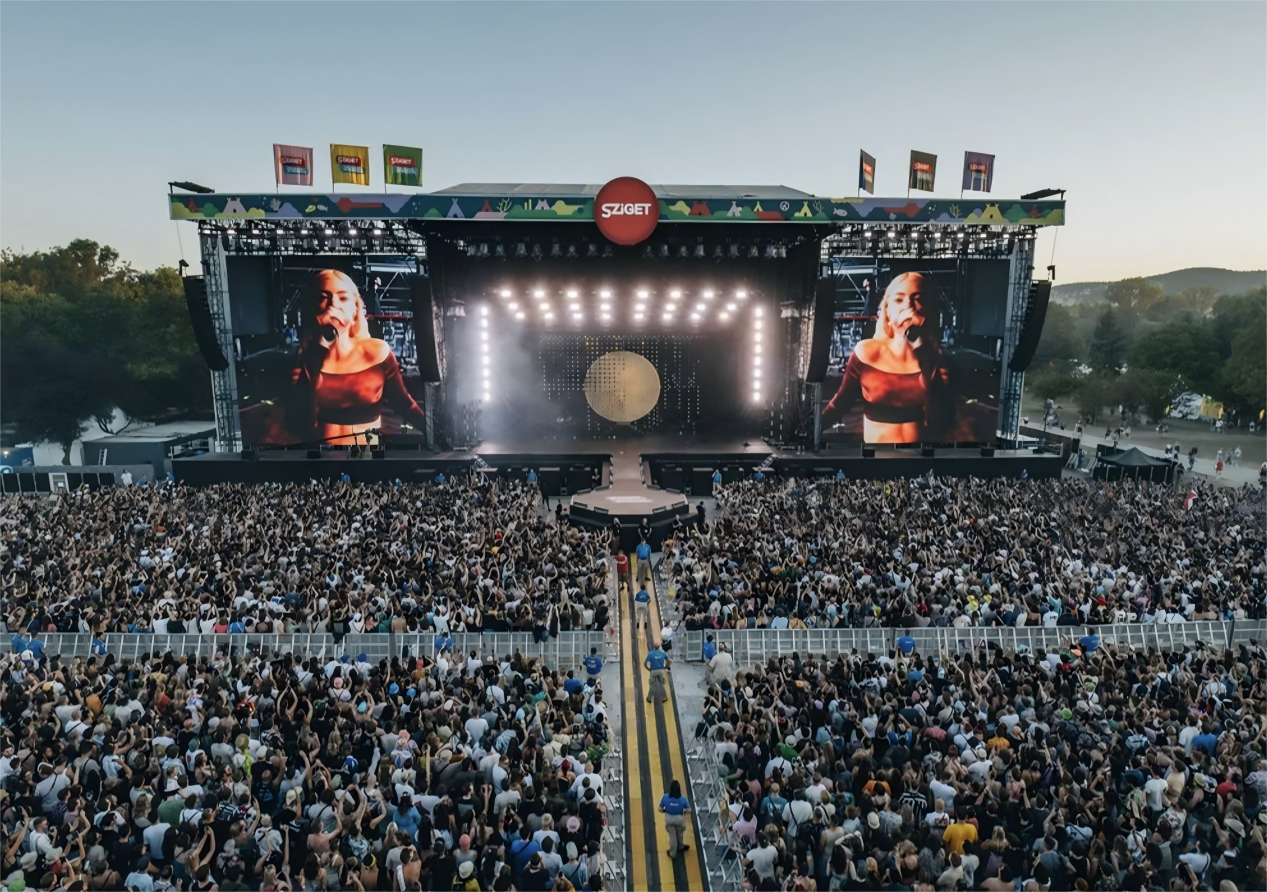
Dubbed the “Island of Freedom,” Hungary’s Sziget Festival is one of Europe’s biggest music and cultural events, ranked among the world’s top 10 festivals! From August 6–11, 2025, global superstars will take the stage on Hajógyári Island in Budapest for six unforgettable days and nights!
Since its launch in 1993, Sziget has attracted thousands of music lovers each year with a diverse lineup across rock, pop, EDM, and hip-hop. Beyond the music, it's a paradise of immersive art installations, theatrical performances, and a spirit of freedom and unity.
2025 Lineup Highlights: Post Malone, A$AP Rocky, Shawn Mendes, Armin van Buuren, Boris Brejcha, Chappell Roan, ANYMA and more!
Location: Hajógyári Island, Budapest, Hungary
Sziget is more than just a music festival — it’s a journey of the soul. With freedom, art, and passion at its core, this is the summer escape you don’t want to miss!
Attachment:Sziget Festival——Official Website
★ Budapest University of Technology and Economics (BME)
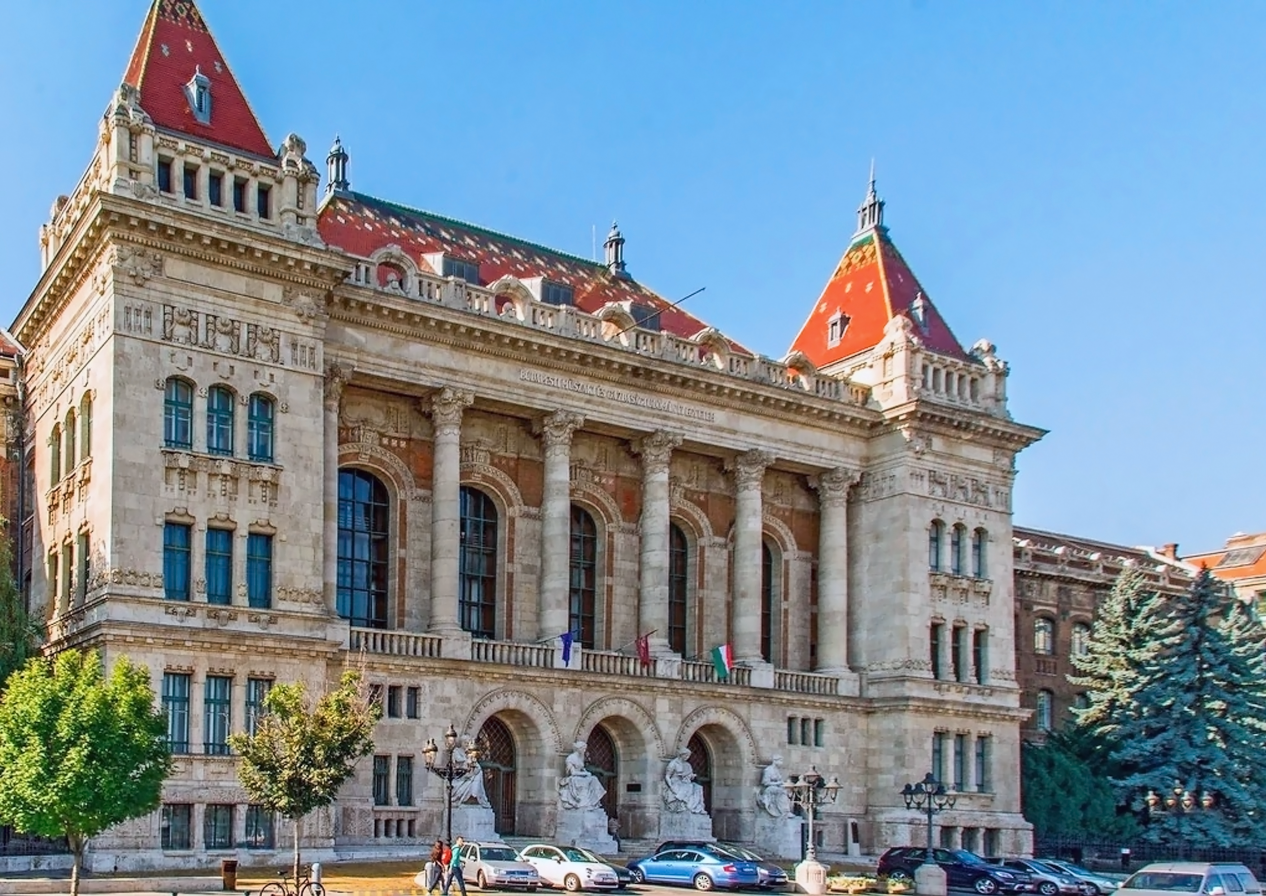
The K Building is the largest structure on the campus of BME. Originally constructed as a two-story building, it was later expanded to three floors. The main entrance of the central section is adorned with four monumental statues—remarkable works of art that symbolically represent the field of engineering sciences. These sculptures were initially crafted based on the designs of renowned sculptor Károly Senyei. Sadly, they were destroyed during World War II. In 2007, to mark the university’s centennial celebration, the statues were faithfully re-carved and restored to their former glory.
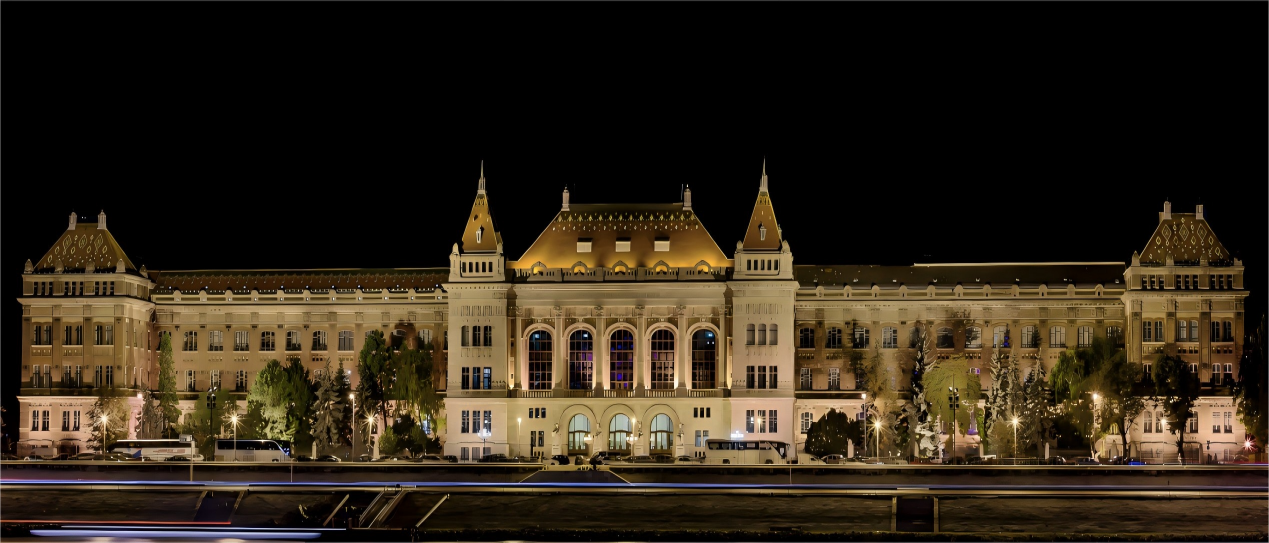
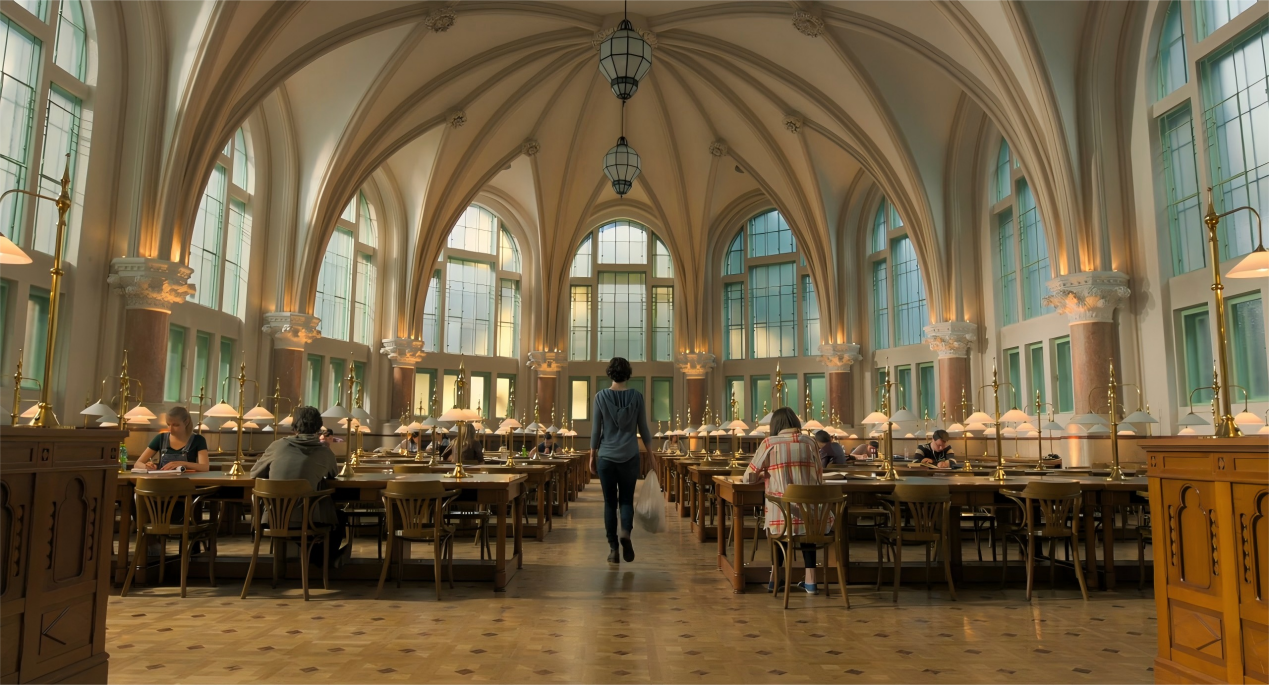
With its blend of historic charm and modern architectural elements, the campus of the BME has become a sought-after location for film productions. Its riverside setting, grand academic buildings, and versatile open spaces offer filmmakers a visually rich backdrop. Each year, the university welcomes 10 to 15 film crews, ranging from independent shorts to major international productions. Notably, scenes from the Oscar-winning film Gemini Man (2019) were filmed on-site, showcasing the campus's cinematic appeal.
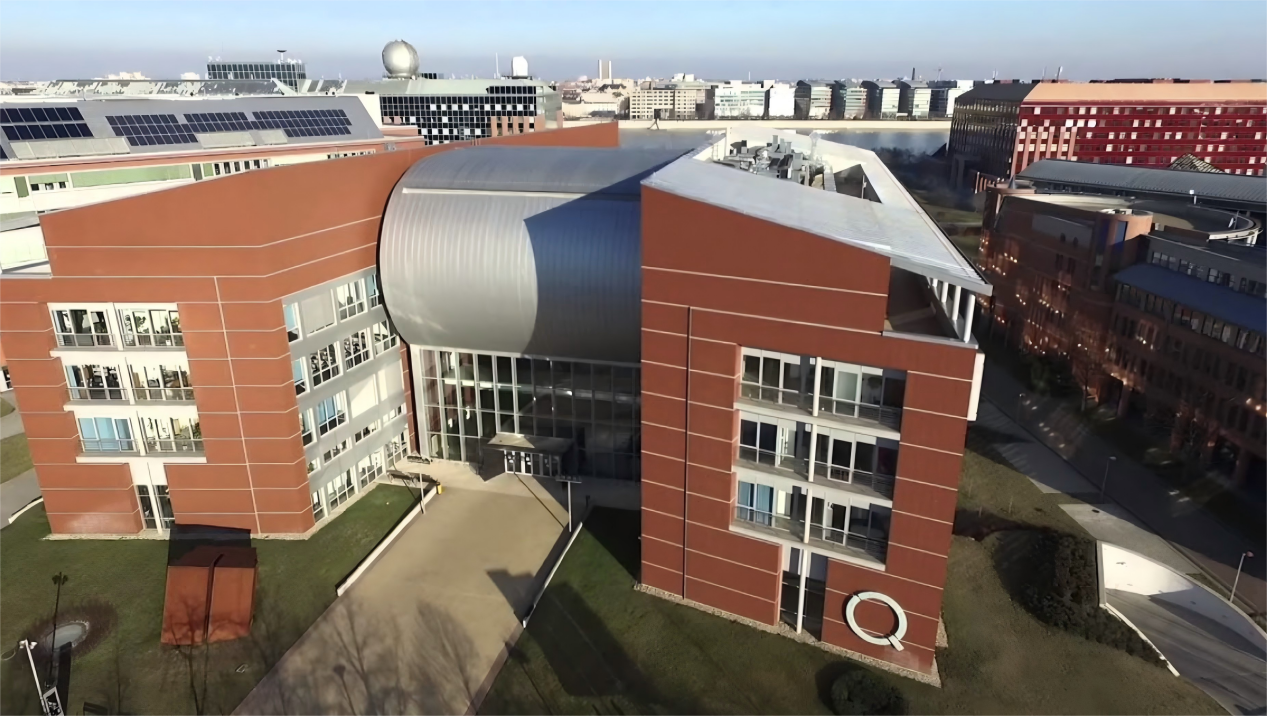
Building Q at the BME is a striking, modern facility known for its curved metallic roof and distinctive architecture. It primarily serves the Faculty of Natural Sciences and the Faculty of Electrical Engineering and Informatics. Inside, it features lecture halls, research labs, seminar rooms, and faculty offices, supporting both education and innovation. The building’s design emphasizes sustainability, with natural lighting and energy-efficient systems.
Watch a video where BME students introduce the city of Budapest:
Not sure yet which city to study in? Watch this video about Budapest


- Deadline for submission of special session proposals: February 10, 2025 April 25, 2025
- Deadline for submission of regular and special session papers/abstracts: February 28, 2025 April 25, 2025
- Acceptance/rejection notification: March 31, 2025 May 10, 2025
- Registrations, and final camera-ready papers: May 25, 2025




 For more conference information,
please scan the Wechat code